
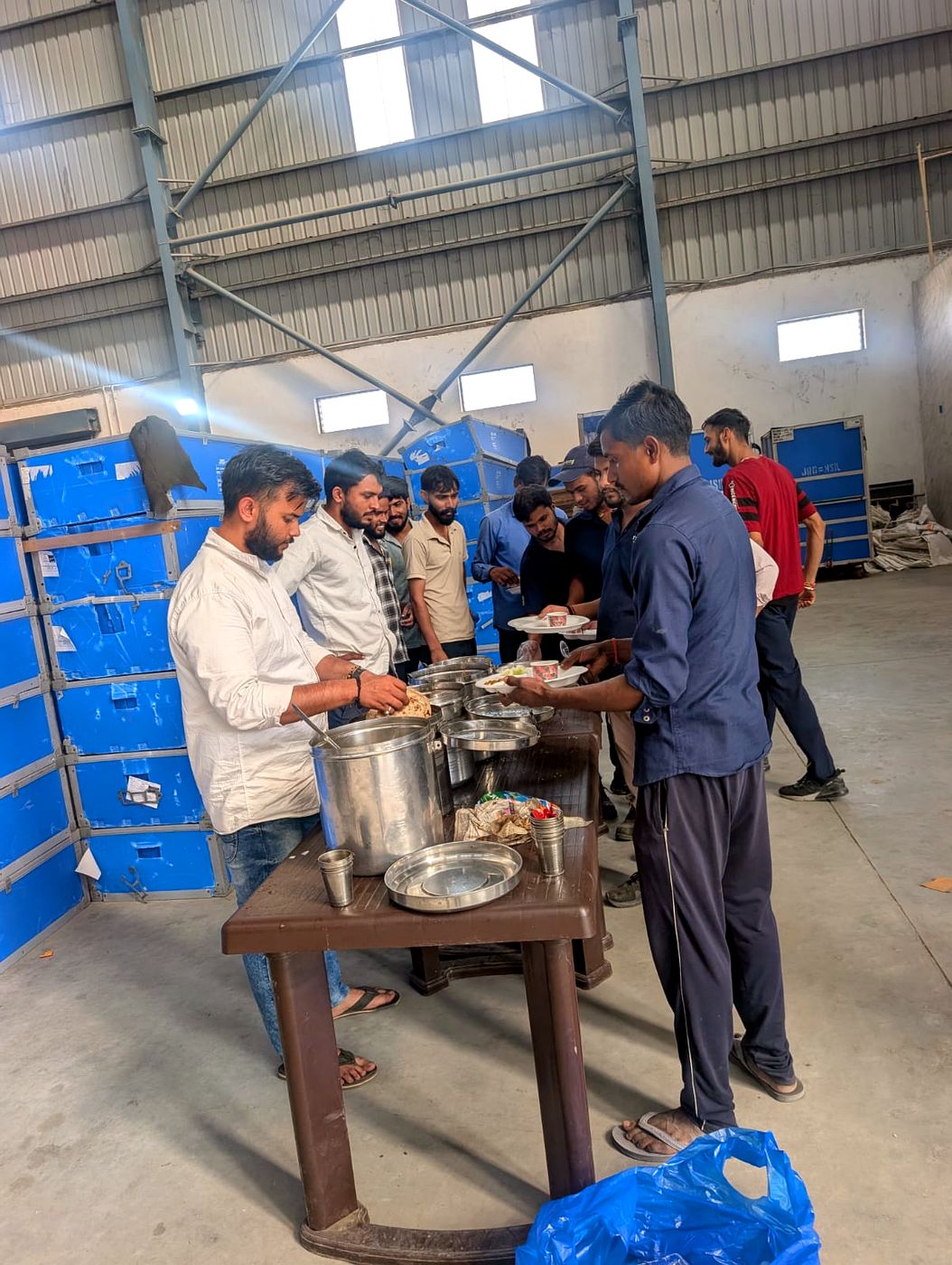
Factories and large teams need food in quantity and on time. When hundreds of people have a short break, there is little room for delays. Bulk food supply works best when both sides are clear about the details from the beginning.
The most useful detail to share is the number of meals needed, per meal time and per shift. If your numbers vary from day to day, share the usual range so that your supplier can plan. Accurate numbers help avoid both shortages and waste.
Share the timings. Tell the supplier when food must arrive and how long the serving window is. In a factory, a meal that arrives late affects the whole shift, so timing is as important as taste.
Describe the serving location. Is food served in a canteen hall, near the production floor or in an open area? Knowing the place helps the supplier plan transport, containers and the number of serving points.
Agree how changes will be communicated. If headcount rises or falls, how much notice does the supplier need, and who should be called? A clear process keeps small changes from becoming problems.
Agree the rate, payment schedule and review period in writing. Bulk arrangements run best when rates are transparent and both sides have a chance to review how things are going after the first few weeks.
If you are looking at bulk meal arrangements, contact Sohini Rasoi with your requirements and we will take it from there.
One last point: review the arrangement regularly. After a few weeks, sit down with your supplier to look at what is working and what is not. Small adjustments to timing, quantity or the serving layout can make a large difference to how smoothly meals run for hundreds of people every day.